The Link Between IQ and Zip Code
Source: Dr Daniel Bell, Prof Frank Gaillard et al, Radiopaedia.org. License: CC BY NC ND 3.0
After sifting through 649 variables, ranging from environment, lifestyle, diet, air pollution, chemicals, drug use, infections, and psychological stress (external factors), and also the individual’s traits and health measures, like BMI, genetics, sleep, disease, and genetics, one factor above all had the greatest influence—the person’s zip code.
Zip code captures a person’s socioeconomic environment. Especially for children, the study shows that high IQ and the child’s brain structure and functions associated with intelligence, and several other cognitive abilities and traits that were studied, reflect socioeconomic privilege.
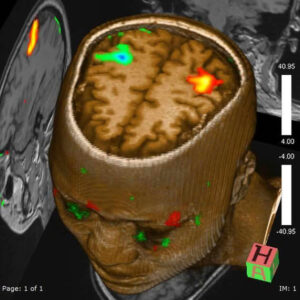
Functional magnetic resonance imaging (fMRI) can measure Individual differences in a person’s innate brain function. Using this method, a person is placed in an fMRI machine and told to do nothing. This so-called resting-state fMRI reveals how neural activity in the brain’s neural networks flows spontaneously, as opposed to when a person is asked to perform a specific task. Well-established fMRI features are associated with high IQ, and other cognitive abilities, traits, and emotional states. Differences in brain anatomy can be assessed by standard MRI, which gives X-ray-like images of brain structure.
The study found that socioeconomic status was the most influential factor in brain differences measured both by fMRI and MRI. Both the brain’s structure, specifically the thickness of the cerebral cortex, and its resting state function were predominantly determined by socioeconomic status.
If this confound is not taken into consideration, studies aiming to correlate brain structure and function with IQ will be contaminated, and indeed predominantly determined, by the individual’s socioeconomic status. This also means that differences in intelligence and brain structure and function that have been linked to a person’s genetic background (race) actually reflect socioeconomic status.
With this new information, and the widely held view that intelligence is fixed at birth, we must now answer the daunting question of how God placed all the smart people in the same zip code. Alternatively, the belief that intelligence is fixed for life and entirely cast at birth by genetics must be rejected. That alternative view is a much more hopeful and powerful conclusion because we cannot change our genes, but we can change our zip code and the social conditions, economy, schools, and opportunities inside it.